
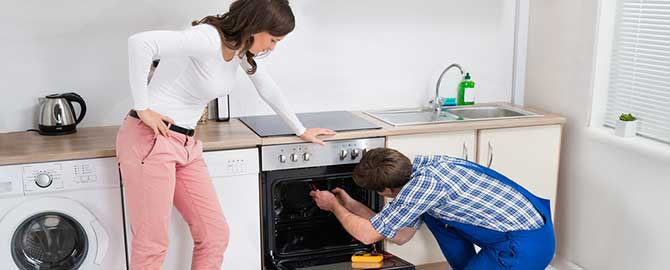
The Repair Comes to Your Kitchen or Laundry Room: Need Washer Repair in Services?
Lubbock Appliance Repair comes to the machine instead of asking you to move it.
Contact 806-416-8642 to set up a visit at your home.
What Working On Site Makes Possible: the Essentials
Many household machines are connected to water, gas, power or cabinetry; testing the machine in its own spot shows how the supply and the venting behave. A problem with the supply or the venting cannot be found on a workbench; a dryer exhaust run, for instance, matters as much as the dryer.
How a Visit Unfolds, Explained
The technician arrives, asks about the machine, and looks at it; the tests follow in a sensible order. Floors and cabinets are protected while the work goes on; any leftover packaging or old parts are taken away.
Getting the Space Ready: the Essentials
Leave enough room to pull the appliance forward; a clear floor makes the work quicker and safer. Note which appliance has the problem and what it has been doing; photos of the label and any error code are useful.
The Dryer Section – Explained
A dryer that makes a thump or squeal with each turn usually has a worn roller or idler; the vent from the machine to the outside is checked on a home visit. People ask about dryer repair when a dryer will not start; many dryer faults turn out to be the vent.
Washing Machine Faults Unpacked – the Short Version
A washer that shakes or walks across the floor is out of balance, unlevel or has worn suspension; an out-of-balance load is a common cause of loud spin cycles. A visit for washer repair checks water supply, drain and door or lid mechanism; most washer faults come down to water or a switch.
The Refrigerator Section – Explained
A refrigerator that runs but does not cool may have a failing fan, a dirty coil or a defrost problem; a sealed-system fault is a bigger repair than a fan. The first step in refrigerator repair is to check the fans, the coils and the door seal; the cause is usually a fan, a defrost part or a seal.
The Ice Maker Section – in Brief
An ice maker that makes nothing may have a closed water valve, a frozen fill line or a faulty switch; hard water leaves scale on the valve and the mold. The usual route in ice maker repair is water first, then freezing, then harvest; each stage of the cycle is checked in order.
The Dishwasher Section – at a Glance
A dishwasher that will not start can have a faulty door latch or switch; the heating element can be tested with a meter. A call for dishwasher repair often traces back to the drain or the door latch; a cycle is run to confirm the repair.
Disposals: Jams, Hums and Leaks – at a Glance
A disposal that hums and does not spin is usually jammed; the reset button is on the bottom of the unit. People wanting garbage disposal repair are often dealing with a sink that will not clear; a stuck motor can usually be freed without a new unit.
Microwaves: Door, Control and Heat – Explained
A microwave with a dead display often has a power or control board fault; the door must latch squarely for the unit to run. A visit for microwave repair starts with a safe test of the door switches and the controls; a countertop model is weighed against replacement.
Ovens: Igniters, Elements and Sensors – Explained
A burner that clicks but does not light may be dirty or have a wet igniter; the element is inspected for blisters or breaks. The route in oven repair is fuel or power first, then the heat part, then the sensor; a gas or electric supply fault is ruled out first.
The Freezer Section – in Brief
A freezer that is noisy may have a fan blade hitting ice; dust on the coil makes the compressor run harder. People look for freezer repair when a garage or utility freezer stops holding temperature; the freezer is checked again before we leave.
Questions Asked on the Phone: the Basics
A few details on the phone make the visit more useful; the location of the machine in the home is noted. Describe what you see and hear rather than guessing at parts; a washer that bangs is better described that way than as a bad bearing.
Stacked, Built-In and Tight Spaces – in Brief
Access decides how a repair is done in a home with limited space; a refrigerator in an alcove needs space to be drawn out. A machine that is slid out carelessly can scar a floor or strain a hose; a floor protector goes down before the machine moves.
Gas, Electric and Water Connections: the Essentials
Faults often sit where the machine meets the house; a washer needs good water pressure and clear hoses. A kinked hose, a loose plug or a tired outlet can cause a service call all by itself; the technician will say if a problem is outside the appliance.
Keeping Machines Healthy After the Repair – the Short Version
Simple habits head off many service calls; clean the lint trap after every dryer load and the vent each year. Do not overload a washer, dryer or dishwasher; ask the technician for tips on your particular model.
Garages, Utility Rooms and Closets – at a Glance
Machines in out-of-the-way places face harsher conditions than those in the house; a garage unit may not be noticed until the food has spoiled. Tell the technician about steps, tight doors and low ceilings when you book; the work area needs room for tools and removed panels.
What People Ask About Washer Repair, Explained
A search for Washer Repair in Services frequently begins with a heavy machine that is hard to move; the setting of the machine is part of the story. Good results with Washer Repair in Services start with a clear picture of the room; access, floor protection and clean-up all count.
When a Home Visit Is the Right Move, in Plain Terms
- A machine that has gone completely quiet and dark; the visit goes faster when the symptoms are described plainly.
- A damp floor in front of the refrigerator; the visit goes faster when the symptoms are described plainly.
- Smoke rising from a dryer or an oven; booking early keeps a small fault from growing.
- Ice cream turning soft in the freezer; the technician brings the right tools once the fault is known.
- A loud hum with nothing moving; the technician brings the right tools once the fault is known.
How Lubbock Appliance Repair Handles a Home Visit, in Plain Terms
Our technicians arrive with tools for the common faults across the main kinds of appliance; you decide what happens next.
Ready to Get the Appliance Working – Book a Visit
Ring 806-416-8642 and name the appliance.
Local Wear on Appliances Around Services, Explained
Many homes have a laundry closet or utility room that traps heat and lint; a vent that is kept clear helps a dryer last. For Washer Repair in Services, the home and its water supply are part of the diagnosis; a fault whose cause is dealt with seldom comes back. Lubbock Appliance Repair takes calls at 806-416-8642; the visit is arranged around what is wrong.