
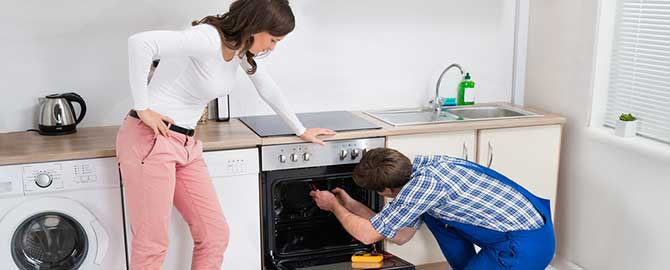
Fixing the Machine in the House: Searching for Refrigerator Repair in Services?
Lubbock Appliance Repair handles the job on site, one machine at a time.
Ring 806-416-8642 and name the appliance that needs attention.
Reasons to Keep the Appliance Where It Is: the Basics
Hauling a major appliance out of a house is a job in itself; a technician who comes to the machine avoids all of that. The room around an appliance is part of what is being tested; a washer standing on a soft floor behaves differently from one on concrete.
From the Front Door to the Finished Repair: a Fuller Picture
Introductions and a quick description of the fault come before any tools; then the work area is made safe and accessible. Care is taken with the room, because it is your home; any leftover packaging or old parts are taken away.
Simple Preparation for a Home Visit, in Plain Terms
Take things off the top of the machine and out of the way; pets are best kept in another room during the work. Note which appliance has the problem and what it has been doing; photos of the label and any error code are useful.
Dryers: Heat, Drum and Airflow – in Brief
A dryer that heats but takes forever is most often limited by its vent; the vent from the machine to the outside is checked on a home visit. People ask about dryer repair when a dryer will not start; a clean duct is part of a proper dryer repair.
Washing Machine Repair at Home – in Brief
A washer that fails to spin may have a lid switch, a belt or a motor coupling at fault; an out-of-balance load is a common cause of loud spin cycles. The reason behind washer repair is frequently a drain, a switch or a valve; the answer is usually in the sequence of what happened.
When the Fridge Is Warm and Food Is at Risk – Explained
A refrigerator that is noisy can have a fan hitting frost or a worn motor; a frost-covered evaporator fan cover points to a defrost fault. Our team treats refrigerator repair as a hunt for the single failed part; the cause is usually a fan, a defrost part or a seal.
Ice Maker Faults in Plain Language – in Plain Terms
An ice maker that fills yet harvests no ice often has a failed heater or a stuck arm; a frozen line can often be traced to a tubing kink or a failed valve. Our crew approaches ice maker repair by following the water from the line to the tray; the cause is generally one valve or one switch.
Dishwashers: Wash Arm, Pump and Door – Explained
A dishwasher that does not drain commonly has a blocked pump, a clogged drain hose or a garbage disposal knockout still in place; a new installation often has a plug left in the disposal inlet. The first test in dishwasher repair is whether water reaches the tub and leaves again; most dishwasher faults are found within four checks.
Disposals: Jams, Hums and Leaks – the Short Version
A disposal that hums and does not spin is usually jammed; a hex socket on the underside lets the motor be turned by hand. Garbage disposal repair usually means clearing a jam or sorting out a leak; a leaking seal means taking the unit down.
Microwave Faults and Safety – in Plain Terms
A turntable that does not rotate usually has a worn coupler or motor; running the unit with nothing inside can damage the magnetron. Microwave repair means finding whether the fault is in the door, the board or the heating parts; a built-in or over-the-range model is more likely to justify the work.
The Oven Section – in Brief
A door that will not unlock after a clean cycle can have a latch fault; the element is inspected for blisters or breaks. Oven repair can mean a burner, an element or a control, and the visit tells which; the cause is usually a single part.
When the Freezer Is Warm or Buried in Frost – in Brief
A freezer that cuts out and restarts can have a failing start relay; the lid and gasket should close evenly all the way round. A call for freezer repair typically comes from food that is starting to thaw; the seal is inspected along its whole length.
Questions Asked on the Phone, in Plain Terms
A good call starts with questions about the machine and the fault; the model number is next, if it can be read from the tag. Say what the machine did, not what you think failed; the technician fills in the technical side.
Stacked, Built-In and Tight Spaces – in Plain Terms
Appliances in tight spaces can be harder to reach, and the technician plans for that; an under-counter dishwasher is pulled forward on its feet. Hoses, wires and gas lines are managed so nothing is stretched or kinked; hoses are checked for kinks before the machine goes in.
Gas, Electric and Water Connections: the Basics
Electric, gas and water connections are checked as part of an in-home visit; a gas range needs a tight, leak-free connection and a working regulator. A kinked hose, a loose plug or a tired outlet can cause a service call all by itself; seeing the connections is a clear advantage of an in-home visit.
Keeping Machines Healthy After the Repair – in Plain Terms
A few minutes of maintenance each season protects every appliance; run cold water through the disposal and clear the sink drain. Use the right detergent in the right amount; heat and dust are the enemies of every household machine.
Garages, Utility Rooms and Closets – in Plain Terms
A second refrigerator or freezer often sits in a garage or a back room; summer heat in an unconditioned space makes cooling machines work much harder. Good light and open floor space make the work easier; clear access shortens the job.
What People Ask About Refrigerator Repair, in Plain Terms
Questions about Refrigerator Repair tend to start with where the appliance is installed; the machine stays connected to its supply during the testing. Good results with Refrigerator Repair in Services start with a clear picture of the room; the technician tests the machine before leaving.
Signs It Is Time to Call, Explained
- A control panel that lights up but starts nothing; booking early keeps a small fault from growing.
- Drips from a hose behind a laundry machine; the room and the machine are looked at together.
- Sparks or a flash at a plug or outlet; the room and the machine are looked at together.
- Ice cream turning soft in the freezer; booking early keeps a small fault from growing.
- A machine that has grown much louder; the technician brings the right tools once the fault is known.
How Lubbock Appliance Repair Works in Your Home, Explained
Our technicians arrive with tools for the common faults across the main kinds of appliance; the cause is named before the work starts.
Want a Technician to Come to the House – Get in Touch
Contact 806-416-8642 and tell us what the machine is doing.
Dust, Heat and Hard Water at Home: the Basics
Many homes have a laundry closet or utility room that traps heat and lint; a few small habits head off a number of service calls. People around Services who call about Refrigerator Repair often have a maintenance issue underneath the fault; advice on maintenance goes along with the repair. You can book a visit with Lubbock Appliance Repair on 806-416-8642; the fault is traced one step at a time.