
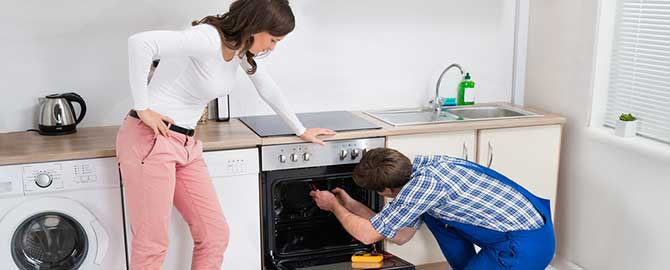
Service at the Door, Not at the Shop: Searching for Ice Maker Repair in Services?
Lubbock Appliance Repair comes to the machine instead of asking you to move it.
Contact 806-416-8642 to set up a visit at your home.
Reasons to Keep the Appliance Where It Is: the Essentials
Most large appliances are built in, plumbed in or too heavy to move easily; a technician who comes to the machine avoids all of that. The room around an appliance is part of what is being tested; a shop test can pass while the real installation fails.
Walking Through a Home Visit: the Basics
Introductions and a quick description of the fault come before any tools; the tests follow in a sensible order. The machine is pulled out only as far as needed, with the floor protected; any leftover packaging or old parts are taken away.
A Few Things to Do Before the Technician Comes, in Plain Terms
Clear a path to the appliance and the area around it; a few minutes of tidying makes the visit smoother. It helps to know the model number before the visit starts; tell the technician about any steps you have already tried.
Dryers: Heat, Drum and Airflow – at a Glance
A dryer that stops mid-cycle can have a worn belt, a failing motor or a door switch problem; lint is a fire hazard and should never be left to build up. Our crew gets calls for dryer repair when a load comes out wet; many dryer faults turn out to be the vent.
Washing Machine Repair at Home – at a Glance
A washer that fails to spin may have a lid switch, a belt or a motor coupling at fault; front loaders and top loaders fail in different ways. A visit for washer repair checks water supply, drain and door or lid mechanism; most washer faults come down to water or a switch.
The Refrigerator Section – at a Glance
A refrigerator that runs but does not cool may have a failing fan, a dirty coil or a defrost problem; the door gasket should seal evenly all the way round. People look for refrigerator repair when a fridge runs without cooling; food in the freezer is kept cold while the work goes on if possible.
Ice Makers: Water, Cold and Timing – at a Glance
Small or hollow cubes usually mean low water flow into the mold; a frozen line can often be traced to a tubing kink or a failed valve. Our crew approaches ice maker repair by following the water from the line to the tray; a clear supply line often fixes the problem.
Dishwashers: Wash Arm, Pump and Door – Explained
A dishwasher that will not fill probably has a bad inlet valve or a closed supply; hard water leaves a film that clogs small spray holes. Our technicians approach dishwasher repair by checking supply, spray and drain; most dishwasher faults are found within four checks.
Garbage Disposal Faults Spelled Out – at a Glance
A silent disposal often needs its reset button pressed or has lost power; never put a hand in the chamber. The first check for garbage disposal repair is power and the reset; the drain below is checked for a separate blockage.
Microwave Faults and Safety – the Short Version
A microwave that runs but does not heat may have a failed diode, a capacitor or a magnetron; running the unit with nothing inside can damage the magnetron. Microwave repair means finding whether the fault is in the door, the board or the heating parts; the fault is named before any part is ordered.
Ovens: Igniters, Elements and Sensors – Explained
An oven that runs hot or cold is often the result of a bad temperature sensor; the sensor is checked with a meter for the proper resistance. Our technicians work through oven repair one component at a time; a gas or electric supply fault is ruled out first.
Freezer Faults and What Causes Them – at a Glance
A chest freezer that runs all the time often has a worn lid gasket or a dusty condenser; keep the door closed to hold the cold in while you wait. A call for freezer repair typically comes from food that is starting to thaw; the coil and the fan are cleaned or tested.
Questions Asked on the Phone: the Essentials
Booking a visit begins with a short conversation about what is wrong; the type of appliance and its brand come first. Say what the machine did, not what you think failed; a washer that bangs is better described that way than as a bad bearing.
Stacked, Built-In and Tight Spaces – in Plain Terms
Appliances in tight spaces can be harder to reach, and the technician plans for that; mention the setup when you book so the right help comes. Moving a heavy appliance takes planning and attention to the surroundings; the vent or drain is reconnected and tested.
Gas, Electric and Water Connections: the Basics
Faults often sit where the machine meets the house; a gas range needs a tight, leak-free connection and a working regulator. Problems in the house can look like problems in the machine; some faults call for an electrician or plumber instead of a repair technician.
Keeping Machines Healthy After the Repair – in Brief
Simple habits head off many service calls; run a dishwasher cleaning cycle and rinse the filter. Level machines, clear vents and clean filters make a difference; a few habits reduce repeat visits.
Garages, Utility Rooms and Closets – at a Glance
A garage freezer faces heat, dust and long periods without anyone looking; a closet with poor ventilation traps heat around a dryer. Clear a path through the garage or closet before the visit; a few minutes of tidying makes the visit smoother.
What People Ask About Ice Maker Repair: the Basics
Questions about Ice Maker Repair tend to start with where the appliance is installed; the machine stays connected to its supply during the testing. Handled properly, Ice Maker Repair in Services means a tidy job done around your furniture; leftover parts and packaging are taken away.
Signs Worth Acting On: a Fuller Picture
- A machine that has gone completely quiet and dark; the visit goes faster when the symptoms are described plainly.
- A damp floor in front of the refrigerator; the room and the machine are looked at together.
- A cord or plug that is discolored or soft; booking early keeps a small fault from growing.
- A refrigerator door that is warm to the touch around the seal; a home visit can settle the question without moving the machine.
- Clicking that repeats without the cycle advancing; the visit goes faster when the symptoms are described plainly.
How Lubbock Appliance Repair Handles a Home Visit: a Fuller Picture
A technician from Lubbock Appliance Repair diagnoses the machine in place and explains the finding; the cause is named before the work starts.
Ready to Get the Appliance Working – Tell Us What Is Wrong
Ring 806-416-8642 and tell us what the machine is doing.
Dust, Heat and Hard Water at Home, in Plain Terms
Many homes have a laundry closet or utility room that traps heat and lint; a surge protector shields a control board from storm spikes. Anyone in Services who needs Ice Maker Repair is dealing with the same local conditions; a fault whose cause is dealt with seldom comes back. Lubbock Appliance Repair takes calls at 806-416-8642; the visit is arranged around what is wrong.