What Do You Know About The History of Ovens?
Appliance Repair in Lubbock Texas

Ovens are essential appliances in most homes, giving people the ability to prepare food in countless ways. Through a gradual evolution, basic cooking pits have turned into electronic ovens found in kitchens all over the world. Early ovens needed little in terms of oven repair, however, there is no doubt today’s appliances provide convenience and greater cooking control. Even though modern ovens do occasionally require appliance repair, most appliance owners would surely agree that they are more useful than any early oven ever was.

From Open Fires to Basic Masonry Ovens

Fueled by wood fires, the earliest ovens consisted of open fires in pits or enclosed stone structures designed to contain the heat. They were initially used by ancient Mediterranean civilizations to cook bread and other baked foods; as the design of the oven improved, its use expanded. By the Middle Ages, ovens made of stone and brick were in use, with racks and poles for cooking different foods as well as for hanging pots and kettles.

The Wood-Burning Stove

The first true stove came into existence around 1490 in Alsace, France. It was made completely of brick and tile, had a flue, and was fueled by a wood fire that burned underneath the food. From that point, the design of wood-burning stoves continued to develop as people sought improved ways to vent the smoke from the wood fires while keeping the interior of the stove even hotter. In the early 1700's, the first stove that completely contained the fire in a separate compartment away from the food was created. The food was cooked on racks and pots were set over holes in the top of the stove for heating.   

Cast Iron and Coal Stoves

Progressing from the more advanced wood stove design, models were eventually made from cast iron from the 1730s, a time when cast iron was becoming a popular metal for many uses. Originating in Germany, they were called five-plate stoves or jamb stoves and were the predecessor to the first modern ovens like those used today. As cast iron stove design continued to evolve throughout the 1700's and 1800's, so did the different ways to fuel them. A sootless kerosene fueled stove was developed and a coal stove followed soon after. The design also gradually changed from stovetops to actual ovens, where the cooking took place inside the compartment rather than on the stovetop.

Gas and Electric Stoves

In 1826, the first gas-powered oven was invented and paved the way for today’s modern ovens. Oven construction had also begun moving away from cast iron to lighter metals as well as the introduction of enamel coatings that made oven cleaning easier.

By the 1900's, most homes and commercial kitchens had a gas oven. Electric ovens were initially designed around 1890; however, it was not until the 1920's that this electric version would be used. Since that time, the number of electric ovens has steadily increased to the point where today homes have just as many electric stoves as gas models.

Although the idea of heating food in an oven is basic, it did take some time before the right methods and best ovens were developed. Gas and electric ovens now provide excellent cooking control without the need to vent through a flue or contaminate food with soot residue from other oven fuels. While today’s appliances may occasionally need oven repair, they are much easier to use, more cost-effective, and healthier than early ovens ever were. Thankfully, most of today’s ovens are reliable and require little in the way of appliance repair!

Need Oven Repair in Lubbock TX?

Lubbock Appliance Repair Experts Can Help!

Call (806) 416-8642!

Additional Articles:

Questions to Ask About Repairing or Replacing A Major Appliance!

When Replacing Ovens - Freestanding or Slide-In?

Dishwashers - How to Best Clean Them!                                       
Ovens 101 - How to Get Ovens Clean!

Why Has My Clothes Dryer Stopped Tumbling?

Questions To Ask About Repairing or Replacing A Major Appliance!


Household appliances are a substantial investment for homeowners, as they play very important roles in the average consumer’s life. Most appliances last a number of years, but when home appliance repair is necessary, many appliance owners wonder which is better - to repair or replace? There is no single answer for every situation, as the best decision weighs on a few important factors. When in need of refrigerator or washer repair, or some other repair services, consider these important questions referenced below to decide whether repair is the way to go or if replacement would be the best option.

What Is the Life Expectancy of Appliances?

When determining whether to repair or replace a major appliance, the first detail to find out is how long the appliance should last. Every appliance has a life expectancy based on its age, the amount of use it sees, and the maintenance it receives. Washers, dryers, refrigerators, and dishwashers generally last 10 to 15 years before appliance owners begin to notice problems. Ovens, water heaters, and central air conditioning units usually last about 15 to 20 years.

Most appliances are designed to give great service for many years; while others due to usage do not last as long as expected. An appliance that is near or past its life expectancy may start breaking down frequently, since parts wear out over time, suggesting that replacement may be the best choice. A newer appliance that begins breaking down long before the end of its life expectancy may or may not be worth repairing. This depends upon the problem and whether it is an isolated event with a definite cause.

Exactly What Is the Problem?

Many times what may seem like a significant problem, really is not. Proper diagnosis is essential for appliance owners to decide whether home appliance repair is worthwhile, or the appliance should just be replaced. Simple repairs on a major appliance, such as a washer, may cost a few dollars and be worth that cost, as most simple malfunctions are caused by misuse of the appliance or required maintenance. On the other hand, if the problem is significant, such as a burned out motor or failure of some other major part, replacement may cost only slightly more than trying to fix the problem.

What Is The Track Record Of The Appliance?

Not every appliance lives to its life expectancy for various reasons. When an appliance has had continuous problems, and home appliance repair has become the norm rather than the exception, replacing it may be the best option. The need for repairs may not be much more than an inconvenience while an appliance is under warranty; however, once the warranty expires, cost of repairs can add up. Conversely, an appliance that has functioned perfectly its whole life may be worth repairing depending on the problem, how old it is, and its life expectancy based on a thorough inspection.  

Is the Appliance Outdated?

Older appliances, even when they have had few problems, do become outdated. Technology improves and manufacturers may stop making parts for older models, which can have a definite impact on whether it is even possible to repair certain older appliances. Another consideration is whether or not more advanced appliances offer desired benefits, such as better features and more efficient function.  All of this enters into the decision-making process as to whether to replace an older appliance, even if it has been relatively problem-free.

Appliances are expensive items, so replacing one must be carefully thought out. When faced with a need for dryer or washer repair, appliance owners must weigh in all the facts to make the best decision. Sometimes home appliance repair is well worth it; other times, the more cost-effective choice in the long run is to purchase a new one!

Looking For Washer Repair In Lubbock TX?

Turn To Appliance Repair Lubbock For Washer Repair Services!

Call (806) 416-8642!

Additional Articles:

Dishwashers – How To Best Clean Them!

Ovens 101 – How To Get Ovens Clean!

Why Has My Clothes Dryer Stopped Tumbling?

Do I Need Refrigerator Repair If It Runs Too Much?

Do You Know The Different Types of Garbage Disposals?

When Replacing Ovens – Freestanding or Slide-In?


When the need for oven repair makes purchasing a new oven a possibility, or if homeowners are planning a kitchen upgrade, there are many questions that must be answered to choose the best replacement oven. One of these questions is whether to purchase a freestanding oven, or a slide-in one. Even though these two ovens are nearly the same, many people do not know the minor difference between the two, and why this is important. Services who specialize in home appliance repair and installation recommend that homeowners learn the difference, and then decide on how one or the other will fit their kitchens best.

Freestanding or Slide-In - What Is the Difference?

Companies who provide home appliance repair and installation maintain that the differences between a freestanding oven and a slide-in model are very small, but quite important when choosing a replacement oven:

  • Freestanding Ovens - A freestanding oven is one that stands separately from the cabinets and countertop, as it positions all the way back against the wall. Freestanding ovens typically have the oven controls on the back of the oven, close to the wall, and the only space around the appliance is usually an inch or two on either side, between the oven and the cabinets.
  • Slide-In Ovens - A slide-in oven is one that fits into the oven space between the cabinets completely, with no space on either side of the appliance. These appliances literally slide into the oven space, fitting snugly into the countertop and cabinetry. Because there is no space on either side, there is also a small strip of countertop behind the oven, and oven controls are usually located at the front of the appliance. Slide-in ovens look like counter mounted cooktops, except they are an entire oven and range, not just the cooktop.

Which Oven Is Better?

Functionally speaking, freestanding and slide-in ovens perform exactly the same, with no real benefit to either. This is also true concerning oven repair, neither is better than the other concerning longevity. They differ only in the way in which they are set up within the cabinetry and countertops. The main variation in these two appliances is in the space left on either side of a freestanding model, and the location of oven controls. These two differences are notable for the following reasons:

  • Cleanliness - Freestanding ovens, which leave a gap between the cabinets, can be harder to keep clean since this gap is a common space for spilled food to fall. Slide-in ovens are easier to keep clean, like a build-in cooktop, since they sit over the edges of the countertops on three sides.
  • Oven Controls - Freestanding ovens usually have oven controls on the top, in the back of the stove, against the wall. On the other hand slide-in ovens, since they do not reach all the way to the wall, have the oven controls positioned in the front. This can be more convenient for reach, but it can also be a concern in homes where there are small children.
  • Appliance Cost - Of the two types, slide-in ovens tend to cost slightly more than freestanding models, but they can be more convenient, and much easier to keep clean. Also, there is the cost of fitting a slide-in oven into a freestanding space and vice-versa, but this cost is minimal. Freestanding ovens can be fit into a slip-in space by cutting off the small strip of countertop in the back, while slide-in ovens can also be fit into a freestanding space with a new countertop, or the addition of a filler strip.

The differences between freestanding and slide-in ovens are subtle, but important when purchasing a replacement oven. Homeowners deciding to replace their appliance rather than pay for oven repair, or looking to upgrade to a newer, more advanced appliance must determine which one they need to fit their oven space. Before deciding on home appliance repair, homeowners should take the opportunity to consider all of their options, including upgrading to a more functional and convenient appliance, and make the decision that is best for their family!

Need Oven Repair In Lubbock TX?

Appliance Repair Lubbock Provides Great Home Appliance Repair!

Call (806) 416-8642!

Additional Articles:

Dishwashers – How To Best Clean Them!

Ovens 101 – How To Get Ovens Clean!

Why Has My Clothes Dryer Stopped Tumbling?

Do I Need Refrigerator Repair If It Runs Too Much?

Do You Know The Different Types of Garbage Disposals?

Dishwashers – How To Best Clean Them!


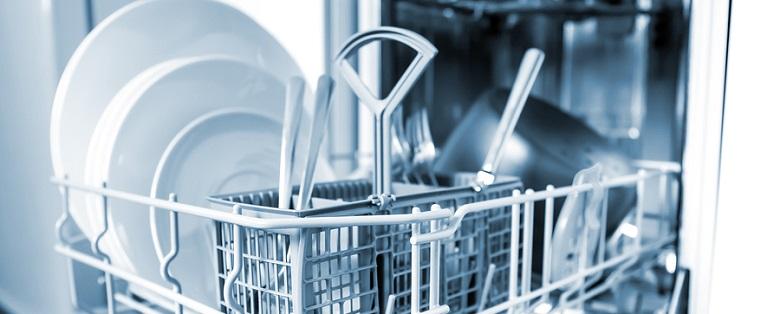
Dishwashers are a favorite appliance in many kitchens.  To perform their best, they need to be kept clean. Dishwashers can be temperamental, although in actuality the cause of many problems that lead to calls for dishwasher repair is simply not keeping the dishwasher itself clean. Home appliance repair specialists recommend following the following tips for a clean dishwasher and to avoid unnecessary dishwasher repair services when it seems as if the dishwasher is not working the way it should.

Clean the Filter or Drain

A clogged and dirty dishwasher filter or drain can prevent water drainage or proper cleaning, leaving spots and food particles on the dishes. Keeping the filter clean is important for dishwasher efficiency and is not that difficult to do. If there is a filter, remove and rinse it thoroughly, then soak it in warm, soapy water for 10 or 20 minutes to soften anything stuck to it and rinse it again. If there is remaining residue, gently clean it with a toothbrush to remove the gunk and rinse it again. Remove the lower dish rack and clean the drain to ensure there is nothing stuck there.

These two things should be done frequently whenever any food is noticed inside the dishwasher.  It will keep the dishwasher cleaner and help it function more efficiently, avoiding the necessity to call dishwasher repair services.

Clean and Disinfect the Dishwasher

Despite the fact that dishwashers clean dishes, the appliances themselves also need to be regularly cleaned and disinfected. An easy, two-step cleaning done once a month is a great way to keep the inside of a dishwasher clean and smelling fresh so that dishes continue to come out clean, with little spotting or residue.

  • Step 1 - With dishwasher racks in place, pour a cup of white vinegar into a dishwasher safe mug or bowl and set it on the top rack. Run a heavy clean cycle in the dishwasher. The hot water and the vinegar together are very effective at cleansing and degreasing the interior of the dishwasher.
  • Step 2 - Sprinkle a cup of baking soda over the bottom of the dishwasher, then let that sit overnight. In the morning, run another hot cleaning cycle. The baking soda removes odors and freshens the entire interior of the appliance.

Remove Mold and Mildew

Home appliance repair and maintenance companies suggest wiping door seals with vinegar and water or mild soap and water to remove any mold or mildew that may be growing. If there are areas in the washer that have not come clean using the previous two steps, use a toothbrush and baking soda to get them clean, then run another hot cycle. If there is a significant mold problem, running a heavy cycle with a cup of bleach in the bottom of the dishwasher can help, too. Do not use bleach inside dishwashers that have stainless steel interiors, since bleach can damage stainless steel.

These quick and easy steps done once a month help keep dishwashers functioning their best, leaving little reason for dishwasher repair calls due to dirty dishes or musty odors. To learn more about dishwasher cleaning and maintenance and how to keep a dishwasher performing properly, contact a trusted home appliance repair center today!

Want Dishwasher Repair Services in Lubbock TX?

The Pros At Appliance Repair Can Help!

Call Them At (806) 416-8642!

Additional Articles:

Why Has My Clothes Dryer Stopped Tumbling?

Do I Need Refrigerator Repair If It Runs Too Much?

Do You Know The Different Types of Garbage Disposals?

Useful Tips When Shopping For Cooktop and Wall Ovens!

Ovens 101 – How To Get Ovens Clean!


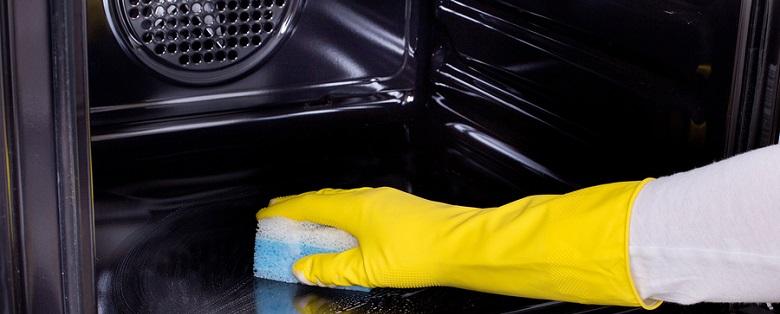
Ovens get very dirty from regular use; however, keeping them clean is important to keep them working correctly. To avoid the need for oven repair, appliance owners should routinely clean ovens when greasy and grimy on the inside. Using the various methods referenced below, appliance owners can efficiently clean their ovens with the least amount of trouble and reduce the need for home appliance repair.

Self-Cleaning Ovens

Many of today’s ovens are self-cleaning, which is very convenient. Oven repair and maintenance services say there are two different types of self cleaning ovens, each of which require a different process to clean:

  • Pyrolytic Cleaning - Pyrolytic cleaning is done with high heat. Ovens that self clean using high heat have a cleaning setting that raises the internal temperature to between 900 and 1000 degrees for a short period of time, essentially burning off any grease or food. Everything burned off turns to ash, which is easily wiped off the inside of the oven after it has completely cooled.
  • Steam Cleaning - Some ovens have a steam cleaning setting that can be used instead of or after the pyrolytic cleaning function if necessary. Steam cleaning is faster, as it steams the inside of the oven so grease and food can be wiped off. It does not produce fumes and is more energy efficient.

Oven Cleaners

For those appliances that are not self-cleaning, home appliance repair and maintenance companies suggest a number of oven cleaning preparations available that can make the task of oven cleaning much easier. Oven cleaners are sprayed on the inside of the appliance, some requiring that the oven be run for a while. Others just need to sit on the oven surface for a certain amount of time before it can be wiped clean.

Baking Soda and Water

Another method that oven repair and maintenance services suggest for cleaning the inside of ovens is to use a paste of baking soda and water. Spread the paste over the inside of the oven and let it sit a few hours to break down oven grease and grime. Spray with white vinegar to foam the baking soda and leave that mixture for a few hours. Wipe grease and baking soda off and  finish with a clean, damp cloth to remove baking soda.

Cleaning Oven Racks

Cleaning oven racks can sometimes be just as troublesome as cleaning the oven itself. To clean stubborn grease from oven racks, oven repair and maintenance specialists suggest washing them in the dishwasher or use a hot soak for a few hours with a mixture of baking soda and vinegar. They can also be soaked in a solution of gel oven cleaner mixed with water. After a good soak, grease should wipe right off.

Oven cleaning is never fun; however, by using the right methods, it can be done fairly quickly with minimal scrubbing. Frequent oven cleaning will make the job easier to do each time and will also help reduce the need for oven repairs or service from an oven repair company due to a dirty, malfunctioning oven. To find out more of the recommended ways to clean an oven or to learn other oven maintenance tips, contact an experienced home appliance repair service!

Need Oven Repair Services in Lubbock TX?

Contact Appliance Repair in Lubbock Texas!

Call Them At (806) 416-8642!

Additional Articles:

Why Has My Clothes Dryer Stopped Tumbling?

Do I Need Refrigerator Repair If It Runs Too Much?

Do You Know The Different Types of Garbage Disposals?

Useful Tips When Shopping For Cooktop and Wall Ovens!

Go to Top