What You Need to Know About Front-Loading Washers!
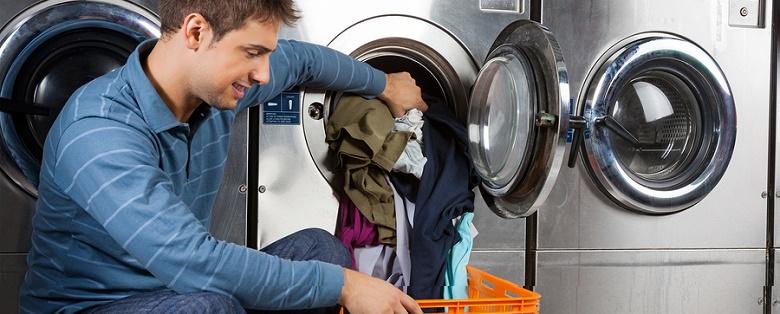
 

Front load washing machines have become a favorite of many homeowners, and for many good reasons. Not only do they prevent the problems of getting that last sock out of the drum on a top loading washer, but they are also much more energy efficient. Yet to get the most from any front loading washer, it requires knowing the right way t use this machine, or an appliance owner could find themselves in need of washer repair. To prevent problems with top loading washing machines, and avoid unnecessary home appliance repair, just follow the simple tips referenced below!

Set the Machine Level

Front load washing machines operate differently than top load machines, and  can vibrate more because of this. To avoid vibration and shaking, make sure the appliance is level on the floor, using the adjustable feet on the bottom to do so. If the machine still shakes during use, check to make sure the shipping bolts are not still in the bottom. Normally these are removed when the machine is set up, but if there is a vibration issue it could mean these bolts are still in place.

If after leveling the machine vibrational problems persist, a call to an appliance repair shop, and a washer repair may be necessary to get things set up the way they should be, and prevent future damage to the appliance.

Use the Right Detergent

Not all detergents are equal, especially when it comes to front load washing machines. Because front loading machines function differently than top loaders, using less water and turning clothing over in the drum, they require detergent for high efficiency machines. Appliance repair experts explain that HE detergents create less foam, and clean better in a front loading machine than conventional detergent.

Prevent Mold and Mildew

Front loading washing machines have an extra part that top loading machines do not have, a door seal. This seal is known for growing mold and mildew if not properly cared for, and the entire drum can develop unpleasant odors as a result. Appliance repair experts say that to prevent these problems, front loading machine owners should wipe down their door seals after each use, and keep the washer door open when the unit is not in use so it can dry out completely.

The dispenser drawer, which is another area that can develop mold and mildew, should also be left out when the machine is not being used. Last of all, thoroughly inspect the inside the basket after every use, since a sock or something else that could be stuck to the top of the basket can cause unpleasant odors and the growth of mildew as well.

Periodically Run Washer Cleaning Cycles

Like many other washing machines, front loaders have programmed cleaning cycles that should be periodically run, especially if the machine is mostly used with cold water. A hot cleaning cycle, run at least once a month, will help flush out minerals and detergent build up, keeping the inside the washer and its water feed and drainage system clean as well. Regular cleaning cycles help in the prevention of home appliance repair due to clogged hoses, unpleasant odors and other issues caused by dirt and mineral build up.

A front loading washing machine is a great purchase, saving appliance owners money and making laundry day much easier than before. Still, these machines do require some special handling in order to obtain a full service life, and prevent the need for washer repair. By following the tips referenced above, those who own front loading washers should have few issues with their machines, and be able to avoid calls for home appliance repair!

In Need Of Appliance Repair in Lubbock TX?

Appliance Repair Can Help With Washer Repairs!

Call (806) 416-8642!

Additional Articles:

Dishwashers - How to Best Clean Them!

Ovens 101 - How to Get Ovens Clean!

Why Has My Clothes Dryer Stopped Tumbling?
Do I Need Refrigerator Repair If It Runs Too Much?

Do You Know the Different Types of Garbage Disposals?

Prevent Septic Problems with Correct Garbage Disposal Use!

Appliance Repair in Lubbock Texas


Garbage disposals provide a great convenience, helping homeowners to more easily keep their kitchens clean. What many people may not realize is that these appliances can affect how a septic system works. There are pros and cons to all that food waste heading into the septic system, so it is important to always use the disposal correctly. This is especially important when a disposal is not working correctly and requires garbage disposal repair.

To prevent septic problems caused by improper grinding of food scraps, always arrange appliance repair for a garbage disposal that is not working the way that it should.  

Basic Septic System Functions

Septic systems work through a process of decomposition, aided by the presence of different types of bacteria in the septic tank. The bacteria eats away at the waste that ends up in the septic tank, including paper and anything else flushed or washed into the unit. When the bacteria levels are off and there are too many bad bacteria and not enough good bacteria, septic function slows down. This results in more sludge in the tank and more frequent need for septic pumping. Maintaining septic system health requires ensuring there is always enough good bacteria in the tank to decompose organic matter before it can rot and cause other problems.

How Garbage Disposals Affect Septic Tank Health

When used correctly, a properly functioning garbage disposal will not have a negative affect on a septic system as long as steps are taken to keep bacteria levels where they should be. Problems can arise when a disposal does not grind food properly, and larger pieces of food waste end up in the septic system. The larger the pieces of organic matter, the harder they are to decompose and the longer they sit in the tank, many times going rancid. When this happens, the balance of good bacteria to bad bacteria can be negatively affected. For this reason, garbage disposal repair when the disposal is not working its best is especially important for homes with septic systems.

Prevent Septic Problems by Keeping Disposals Working Well

Fortunately, garbage disposals and home septic systems can co-exist as long as attention is paid to the disposal, its performance, and how it is used. Make sure disposals are functioning well and actually grinding food. Keep the blades clean and sharp so food is ground into small pieces. Follow the disposal manufacturer’s directions carefully with regard to what should be put into. Avoid damaging the disposal in such a way that it does not grind well, and ends up needing appliance repair. Always run the cold water when using the disposal as well, to help flush the unit out and prevent problems that could affect its function.

Protect Septic Systems with Good Disposal Use

The best tip of all, at least concerning the septic system, is to use the disposal as little as possible to reduce the amount of food ending up in the septic system. In homes where the disposal is used a lot, septic companies recommend adding special enzymes and bacteria into the tank to help decompose the additional food waste. These products are usually flushed down the toilet or washed down the sink drain and into the septic tank.

A properly functioning garbage disposal provides the most convenience in the kitchen, while also preventing septic problems. To reduce the chance that food waste will damage the delicate ecosystem in the septic tank, garbage disposal repair is essential whenever the appliance is not working as it should. With the right appliance repair services when necessary, homeowners can be sure their disposal is not contributing to septic problems!

Need A Freezer Repair in Lubbock TX?

Appliance Repair Experts Can Help With Your Repair Needs!

Call (806) 416-8642!

Additional Articles:

Questions to Ask About Repairing or Replacing A Major Appliance!

When Replacing Ovens - Freestanding or Slide-In?

Dishwashers - How to Best Clean Them!                                       

Ovens 101 - How to Get Ovens Clean!

Why Has My Clothes Dryer Stopped Tumbling?
What Do You Know About The History of Ovens?

Appliance Repair in Lubbock Texas

Ovens are essential appliances in most homes, giving people the ability to prepare food in countless ways. Through a gradual evolution, basic cooking pits have turned into electronic ovens found in kitchens all over the world. Early ovens needed little in terms of oven repair, however, there is no doubt today’s appliances provide convenience and greater cooking control. Even though modern ovens do occasionally require appliance repair, most appliance owners would surely agree that they are more useful than any early oven ever was.

From Open Fires to Basic Masonry Ovens

Fueled by wood fires, the earliest ovens consisted of open fires in pits or enclosed stone structures designed to contain the heat. They were initially used by ancient Mediterranean civilizations to cook bread and other baked foods; as the design of the oven improved, its use expanded. By the Middle Ages, ovens made of stone and brick were in use, with racks and poles for cooking different foods as well as for hanging pots and kettles.

The Wood-Burning Stove

The first true stove came into existence around 1490 in Alsace, France. It was made completely of brick and tile, had a flue, and was fueled by a wood fire that burned underneath the food. From that point, the design of wood-burning stoves continued to develop as people sought improved ways to vent the smoke from the wood fires while keeping the interior of the stove even hotter. In the early 1700's, the first stove that completely contained the fire in a separate compartment away from the food was created. The food was cooked on racks and pots were set over holes in the top of the stove for heating.   

Cast Iron and Coal Stoves

Progressing from the more advanced wood stove design, models were eventually made from cast iron from the 1730s, a time when cast iron was becoming a popular metal for many uses. Originating in Germany, they were called five-plate stoves or jamb stoves and were the predecessor to the first modern ovens like those used today. As cast iron stove design continued to evolve throughout the 1700's and 1800's, so did the different ways to fuel them. A sootless kerosene fueled stove was developed and a coal stove followed soon after. The design also gradually changed from stovetops to actual ovens, where the cooking took place inside the compartment rather than on the stovetop.

Gas and Electric Stoves

In 1826, the first gas-powered oven was invented and paved the way for today’s modern ovens. Oven construction had also begun moving away from cast iron to lighter metals as well as the introduction of enamel coatings that made oven cleaning easier.

By the 1900's, most homes and commercial kitchens had a gas oven. Electric ovens were initially designed around 1890; however, it was not until the 1920's that this electric version would be used. Since that time, the number of electric ovens has steadily increased to the point where today homes have just as many electric stoves as gas models.

Although the idea of heating food in an oven is basic, it did take some time before the right methods and best ovens were developed. Gas and electric ovens now provide excellent cooking control without the need to vent through a flue or contaminate food with soot residue from other oven fuels. While today’s appliances may occasionally need oven repair, they are much easier to use, more cost-effective, and healthier than early ovens ever were. Thankfully, most of today’s ovens are reliable and require little in the way of appliance repair!

Need Oven Repair in Lubbock TX?

Lubbock Appliance Repair Experts Can Help!

Call (806) 416-8642!

Additional Articles:

Questions to Ask About Repairing or Replacing A Major Appliance!

When Replacing Ovens - Freestanding or Slide-In?

Dishwashers - How to Best Clean Them!                                       

Ovens 101 - How to Get Ovens Clean!

Why Has My Clothes Dryer Stopped Tumbling?

Go to Top