
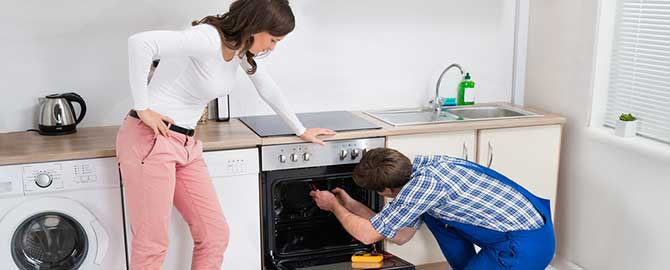
The Repair Comes to Your Kitchen or Laundry Room: Thinking About Home Appliance Repair in Services?
Lubbock Appliance Repair brings the repair to the room where the machine stands.
Phone 806-416-8642 and name the appliance that needs attention.
What Working On Site Makes Possible: the Basics
Appliances in kitchens and laundry rooms are rarely easy to carry; leaving the machine where it stands also means no risk of damage in transit. A problem with the supply or the venting cannot be found on a workbench; a drain that is slow in the wall will be slow whichever machine is attached.
Walking Through a Home Visit: a Fuller Picture
A visit begins with a short talk about what the appliance has been doing; the cause is named before the work begins. Floors and cabinets are protected while the work goes on; the area is wiped down and the machine is pushed back into place.
Making Room for the Work: a Fuller Picture
Leave enough room to pull the appliance forward; pets are best kept in another room during the work. Keep the model details and a description of the fault ready; mention if the machine is stacked, built in or on a platform.
When the Dryer Runs but the Clothes Stay Damp – the Short Version
A dryer that stops mid-cycle can have a worn belt, a failing motor or a door switch problem; lint is a fire hazard and should never be left to build up. The first check for dryer repair is power and the vent; a clean duct is part of a proper dryer repair.
The Washer Section – at a Glance
A washer that shakes or walks across the floor is out of balance, unlevel or has worn suspension; check the hoses behind the machine for a bulge or a drip. People searching for washer repair often describe a washer that stops mid-cycle; most washer faults come down to water or a switch.
Refrigerator Faults and What They Mean – at a Glance
A refrigerator that runs but does not cool may have a failing fan, a dirty coil or a defrost problem; the condenser coils collect dust that makes the compressor work harder. Our team treats refrigerator repair as a hunt for the single failed part; the cause is usually a fan, a defrost part or a seal.
Ice Maker Faults in Plain Language – the Short Version
An ice maker that fills yet harvests no ice often has a failed heater or a stuck arm; the water filter is worth replacing before anything else is blamed. A visit for ice maker repair checks the valve, the line and the freezer temperature; the cause is generally one valve or one switch.
Dishwashers: Wash Arm, Pump and Door – at a Glance
A dishwasher that does not drain commonly has a blocked pump, a clogged drain hose or a garbage disposal knockout still in place; a new installation often has a plug left in the disposal inlet. A call for dishwasher repair often traces back to the drain or the door latch; most dishwasher faults are found within four checks.
Garbage Disposal Repair at Home – at a Glance
A disposal that hums and does not spin is usually jammed; the reset button is on the bottom of the unit. A visit for garbage disposal repair looks at the chamber, the seal and the drain; a leaking seal means taking the unit down.
Microwave Faults and Safety – in Brief
A microwave that sparks inside may have a damaged waveguide cover or burned cavity; a countertop unit is sometimes a better candidate for replacement than for repair. The first question in microwave repair is whether the unit is worth repairing; a built-in or over-the-range model is more likely to justify the work.
The Oven Section – Explained
A door that will not unlock after a clean cycle can have a latch fault; the control board is tested last, not first. People call about oven repair when dinner cannot be cooked; the cause is usually a single part.
Freezers: Frost, Fans and Seals – the Short Version
Heavy frost on the walls usually means the door is not sealing or the defrost system has failed; dust on the coil makes the compressor run harder. A call for freezer repair typically comes from food that is starting to thaw; the seal is inspected along its whole length.
Questions Asked on the Phone, in Plain Terms
A good call starts with questions about the machine and the fault; the type of appliance and its brand come first. Say what the machine did, not what you think failed; an accurate account beats a confident guess.
Stacked, Built-In and Tight Spaces – Explained
Stacked laundry pairs, built-in ovens and under-counter units all need extra care; an under-counter dishwasher is pulled forward on its feet. Hoses, wires and gas lines are managed so nothing is stretched or kinked; the vent or drain is reconnected and tested.
Gas, Electric and Water Connections, in Plain Terms
The outlet, the valve and the pipe are part of the system being tested; a washer needs good water pressure and clear hoses. A weak supply makes a good appliance act as though it has failed; some faults call for an electrician or plumber instead of a repair technician.
Keeping Machines Healthy After the Repair – Explained
Simple habits head off many service calls; vacuum the refrigerator coils every few months. Level machines, clear vents and clean filters make a difference; ask the technician for tips on your particular model.
Garages, Utility Rooms and Closets – at a Glance
Laundry machines are frequently tucked into a closet or a utility space; dust and lint collect fast in a closed utility room. A technician needs clear access to the machine and its connections; stored boxes are best moved aside beforehand.
What People Ask About Home Appliance Repair, in Plain Terms
When the subject is Home Appliance Repair, most owners hope the repair can be made on the spot; the machine stays connected to its supply during the testing. Good results with Home Appliance Repair in Services start with a clear picture of the room; the owner is shown what was done.
When to Stop Fiddling and Call, in Plain Terms
- An appliance that stays dead when switched on; the technician brings the right tools once the fault is known.
- A soft patch of flooring near a water supply line; a home visit can settle the question without moving the machine.
- Smoke rising from a dryer or an oven; the room and the machine are looked at together.
- Ice cream turning soft in the freezer; the room and the machine are looked at together.
- A loud hum with nothing moving; the visit goes faster when the symptoms are described plainly.
How Lubbock Appliance Repair Works in Your Home, Explained
The team at Lubbock Appliance Repair treats your house as a workplace to leave clean; questions are welcome at any stage.
Ready for a Home Visit – Begin Here
Phone 806-416-8642 and describe the problem.
What the Climate Does to Household Machines, in Plain Terms
Hard water scales the inside of washers, dishwashers and ice makers; a surge protector shields a control board from storm spikes. People around Services who call about Home Appliance Repair often have a maintenance issue underneath the fault; advice on maintenance goes along with the repair. Call Lubbock Appliance Repair at 806-416-8642 for a visit; our technician will ask what the machine is doing.